If you picture Scottsdale living as all sunshine and scenery, you are not wrong. But what makes this city stand out is how easy it is to turn that desert backdrop into part of your daily routine, whether that means a morning hike, an afternoon on the golf course, or a quiet evening on a shaded patio. If you are exploring a move to Scottsdale or simply want a better feel for the lifestyle, this guide will walk you through the homes, trails, and outdoor features that shape desert living here. Let’s dive in.
Why Scottsdale Feels Different
Scottsdale’s outdoor lifestyle starts with its setting in the Sonoran Desert. The city’s appeal is tied to protected open space, wide views, and recreation that stays close to where people live rather than feeling far removed from everyday life.
That experience is supported by real infrastructure, not just marketing language. City planning materials point to a large trail network, preserved desert land, and design rules that help maintain the area’s natural character.
Trails Shape Daily Life
One of the biggest reasons Scottsdale attracts nature-focused buyers is the McDowell Sonoran Preserve. The city describes it as a permanently protected desert habitat spanning more than 30,500 acres, with an interconnected network of nonmotorized trails for hiking, biking, and horseback riding.
This is not a small amenity tucked off to the side. Scottsdale reports 220 miles of trails in the preserve and another 150 miles of neighborhood trails throughout the city, which makes outdoor access feel like part of normal daily life.
Key Trailheads to Know
Several trailheads help you access the preserve in different ways. Brown’s Ranch, Fraesfield, Tom’s Thumb, and WestWorld are among the city-listed options, and each offers a slightly different starting point for your outdoor routine.
Brown’s Ranch is especially useful to know because it includes parking, restrooms, shade ramadas, water, horse access, and the accessible Jane Rau Nature Trail. For buyers who want practical, repeatable outdoor access, details like these matter.
Indian Bend Wash Greenbelt Adds Variety
Scottsdale’s outdoor story is not limited to desert trails. The Indian Bend Wash Greenbelt runs for 11 miles through the heart of the city and includes parks, lakes, paths, and golf courses.
The city also notes that it has grade-separated crossings, which helps reduce contact with major traffic. That makes it a more connected option for walking, biking, and everyday recreation.
Pinnacle Peak Park Offers a Classic Hike
If you want a well-known hiking option that feels manageable for many active buyers, Pinnacle Peak Park is worth understanding. The city describes it as a 150-acre park with a 2-mile one-way trail, or about 4 miles round trip.
It has roughly 1,300 feet of cumulative elevation gain and is considered moderate in difficulty. The city also notes that dogs and bikes are not allowed on the trail, which is helpful to know when planning how you want to use it.
Outdoor Living Goes Beyond Hiking
Scottsdale’s lifestyle appeal comes from having multiple ways to be outside. In addition to trails, the city highlights biking, dog parks, fishing and boating, pickleball, skateparks, and paved pathways as part of its recreation system.
That mix matters when you are thinking about day-to-day living. You do not have to be a serious hiker to enjoy the outdoor culture here, because there are many different entry points into an active routine.
Golf Is Part of the Lifestyle
Golf also plays a major role in Scottsdale’s identity. Experience Scottsdale highlights destinations such as TPC Scottsdale, Troon North, Grayhawk, We-Ko-Pa, The Boulders, Camelback Golf Club, The Phoenician, and Mountain Shadows, with desert scenery and mountain views as recurring themes.
For some buyers, golf access is a major priority. For others, it simply adds to the overall feel of the area and reinforces Scottsdale’s reputation for outdoor-oriented living.
Homes That Fit the Desert
Scottsdale homes often reflect the desert setting in both style and layout. City historic preservation materials note that the typical postwar Arizona home was often a single-level Ranch Style house with concrete block construction, concrete floors, and low-pitched roofs.
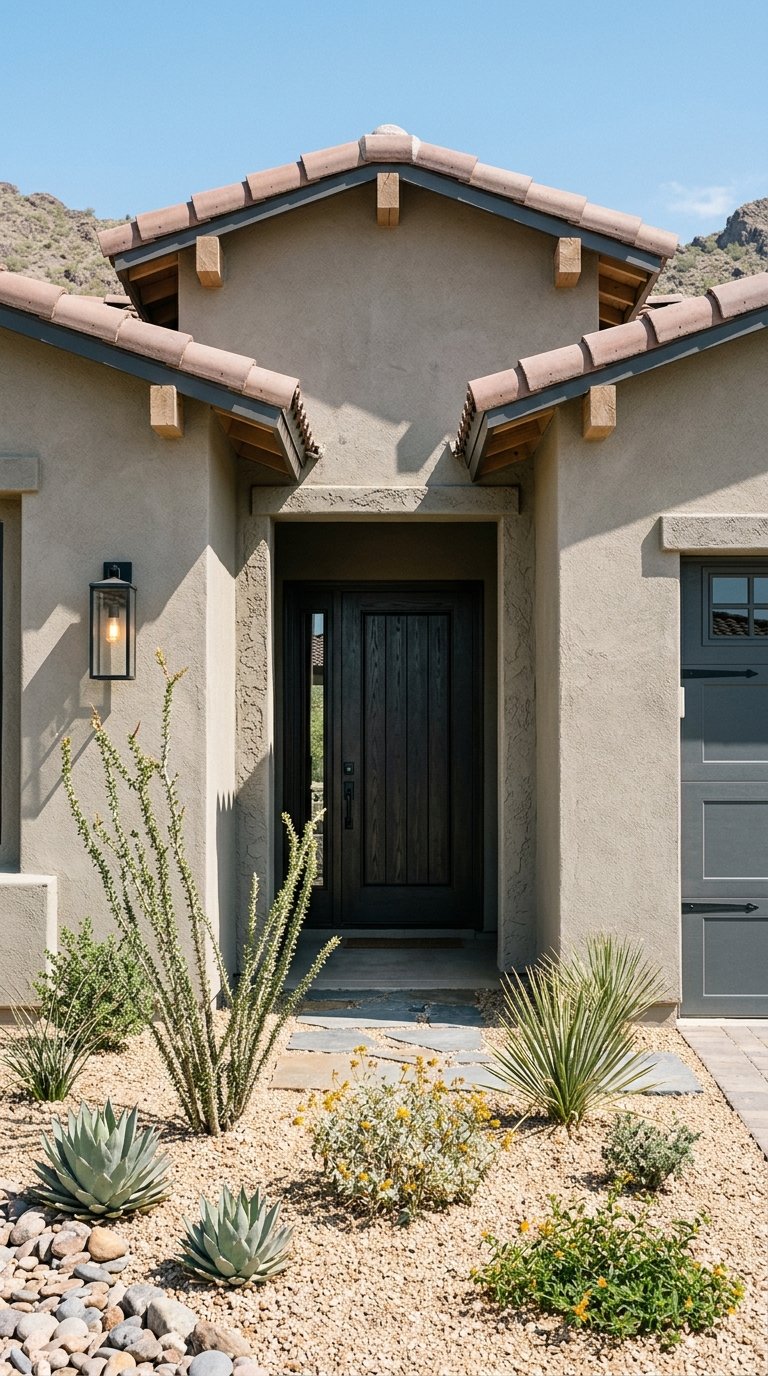
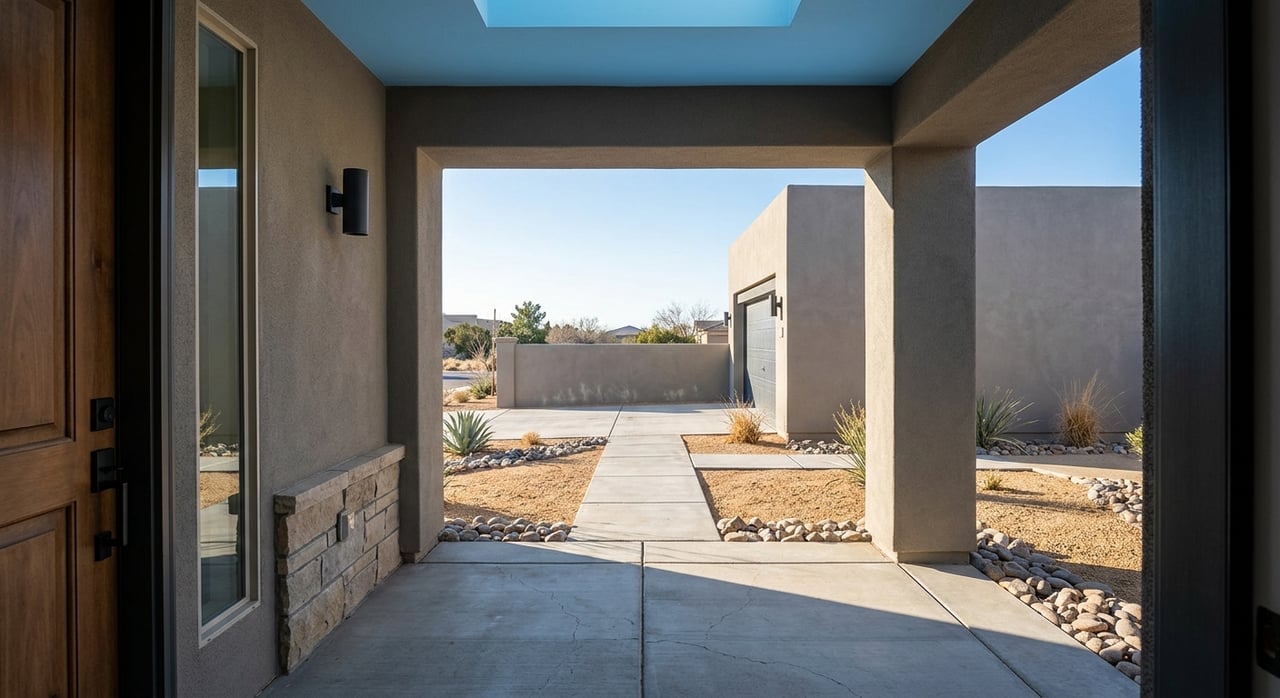
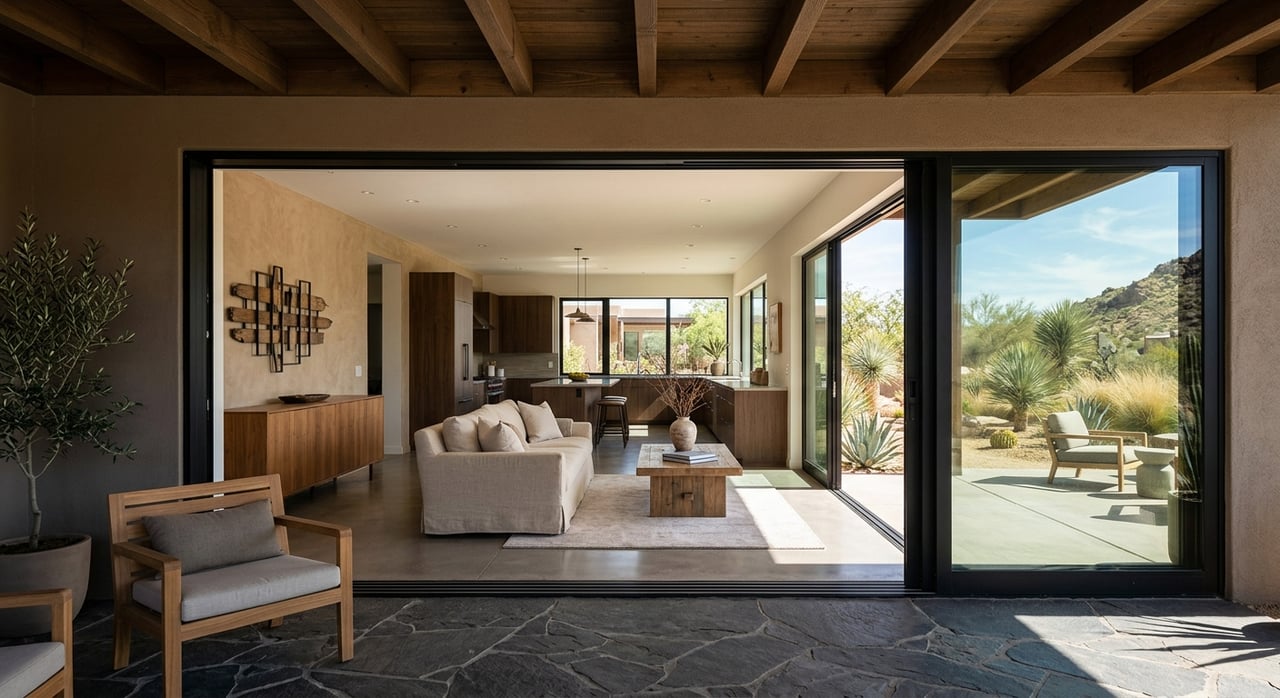
The city’s Town and Country design guidance also points to features that still resonate with buyers today. These include large areas of glass, open patios, broad roofs, recessed entries, simple lines, rectangular forms, single-story layouts, L-shaped floor plans, and sliding glass doors.
Common Features Buyers Notice
When you tour homes in Scottsdale, some features tend to feel especially connected to the landscape. Based on city design materials, these often include:
- Large windows
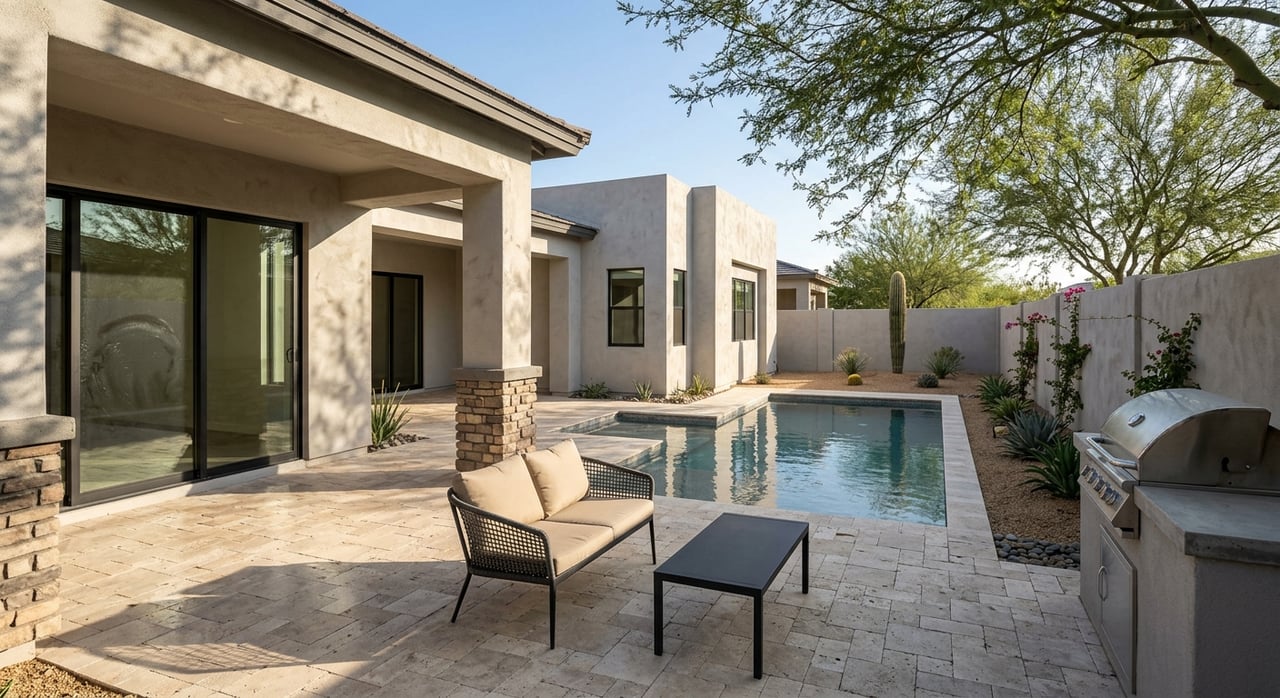
- Shaded patios
- Courtyards
- Low-profile rooflines
- Strong indoor-outdoor flow
- Desert-appropriate landscaping
These are not just style choices. In many cases, they help a home feel more comfortable, more functional, and more in tune with the surrounding environment.
Desert Modern Has Deep Roots Here
Scottsdale’s architectural identity is also tied to desert modern design. Experience Scottsdale notes that Frank Lloyd Wright came to Scottsdale in 1937 to build Taliesin West, helping shape a design language connected to the desert climate and setting.
That influence still shows up in the city’s broader design character. Clean lines, simple forms, and a strong relationship between indoor and outdoor spaces remain part of what many people picture when they think of Scottsdale homes.
Design Rules Influence the Look
Scenic desert living in Scottsdale is not accidental. The city’s Sensitive Design Program says development should respect climate, topography, vegetation, and historical context, while using strategies that reduce environmental impact and energy consumption.
That helps explain why many parts of Scottsdale feel visually consistent with the desert around them. The goal is not just to build in the landscape, but to do it in a way that responds to it.
Open Space Requirements Matter
The Environmentally Sensitive Lands Overlay plays a major role in parts of Scottsdale north and east of the Central Arizona Project canal. According to the city, it applies to 134 square miles of desert and mountain areas and requires portions of each property to remain natural area open space.
It also protects vegetation, washes, ridges, and peaks. If you are buying in these areas, that can shape what a lot looks like and how outdoor space is preserved.
Native Landscaping Is Often Part of Ownership
Scottsdale’s Native Plant Ordinance applies citywide and protects large cacti and trees. The city requires permits before protected plants can be removed, relocated, or destroyed.
For homeowners, that means native landscaping is not just a design trend. It is often a practical part of owning and improving property in Scottsdale.
Water-Wise Living Is Part of Desert Ownership
Desert living also means thinking differently about water use. Scottsdale Water says about 90 percent of the city’s drinking water comes from renewable surface water sources, and the city offers rebates and conservation guidance for smart irrigation, leak repair, and reducing water-intensive features.
That supports a lifestyle where outdoor spaces can still be enjoyable without relying on high-water landscaping. For many buyers, this becomes part of the long-term value equation when comparing properties.
Xeriscape Is a Real-World Example
If you want to picture low-water landscaping in action, the Scottsdale Xeriscape Garden at Chaparral Park is a useful local example. The city says it features more than 7,000 plants and 200 species while teaching visitors about low-water plants, water harvesting, and desert-appropriate landscape care.
The bigger takeaway is simple. In Scottsdale, outdoor beauty often comes from working with the desert rather than trying to override it.
What This Means for Buyers
If you are shopping for a home in Scottsdale, lifestyle fit matters as much as square footage. A home near major trailheads, the greenbelt, or golf amenities may offer the kind of daily access that makes desert living feel real instead of aspirational.
It also helps to pay attention to the property itself. Shade, patio design, irrigation efficiency, preserved views, and native landscaping can all shape how comfortable and practical a home feels over time.
Questions Worth Asking on a Home Tour
As you compare homes, keep these questions in mind:
- How close is the home to trails, parks, or greenbelt access?
- Does the outdoor space offer usable shade?
- Is the landscaping designed for desert conditions?
- Are there native plants or lot preservation requirements to know about?
- Does the layout support indoor-outdoor living?
These details can help you find a home that fits the Scottsdale lifestyle you actually want to live.
What This Means for Sellers
If you are selling a Scottsdale home, your property’s lifestyle story can be just as important as the floor plan. Buyers are often drawn to features that connect the home to the desert setting, such as shaded patios, large windows, mountain or open-space views, and low-water landscaping.
Presentation matters here. Clear photography, thoughtful marketing, and strong positioning can help buyers see how the home supports the outdoor lifestyle Scottsdale is known for.
If you are thinking about buying or selling in the Phoenix metro area and want help understanding how lifestyle, location, and home features come together, Robyn Combs is here to guide you with responsive, personalized support.
FAQs
What makes Scottsdale desert living unique for homebuyers?
- Scottsdale desert living stands out because it combines protected open space, extensive trail access, golf, parks, and home design that often reflects the Sonoran Desert setting.
What trails are most important in Scottsdale for outdoor living?
- The McDowell Sonoran Preserve is the city’s signature outdoor asset, with more than 30,500 acres and 220 miles of trails, while the Indian Bend Wash Greenbelt and Pinnacle Peak Park add more options for everyday recreation.
What home features fit Scottsdale’s desert lifestyle?
- Common features include large windows, shaded patios, courtyards, low-profile rooflines, indoor-outdoor flow, and landscaping that suits desert conditions.
What should buyers know about Scottsdale desert landscaping?
- Buyers should know that Scottsdale protects certain native plants citywide and that some properties may also have open-space preservation requirements depending on location.
Is Scottsdale good for buyers who want an active outdoor lifestyle?
- Yes. Scottsdale offers access to hiking, biking, golf, pickleball, paved pathways, parks, and greenbelt recreation, giving buyers many ways to enjoy the outdoors regularly.
How does summer heat affect outdoor living in Scottsdale?
- The city advises early starts, carrying plenty of water, and staying aware of heat conditions in the preserve, especially during warmer months.