Wondering whether a condo or townhome in Chandler is the smart move for your next home? You are not alone. For first-time buyers, downsizers, and anyone who wants lower-maintenance living, attached homes can offer a more accessible entry point than many detached houses in the East Valley. The key is knowing what you are really buying before you fall in love with the kitchen, patio, or pool. Let’s dive in.
Chandler Attached Homes at a Glance
Chandler remains an active housing market, and attached homes are a meaningful part of the mix. Current market snapshots show Chandler’s median sale price across all home types at about $519,689, with homes selling in about 49 days on average and a sale-to-list ratio near 98.1%.
Within that broader market, condos and townhomes often sit at lower price points than many detached homes. Current listings show about 43 condos for sale with a median listing price around $359,000 and about 97 townhouses for sale with a median listing price around $374,000.
That range matters if you want to balance budget, location, and lifestyle. In Chandler, attached homes can be a practical option if you want to stay close to major commuting routes, job centers, and established areas without taking on the upkeep of a larger lot.
Chandler Condo and Townhome Options
Chandler’s attached-home inventory is not one-size-fits-all. Current listings include smaller one- and two-bedroom condos around 700 to 1,500 square feet, along with more premium residences with features like lake views or resort-style amenities.
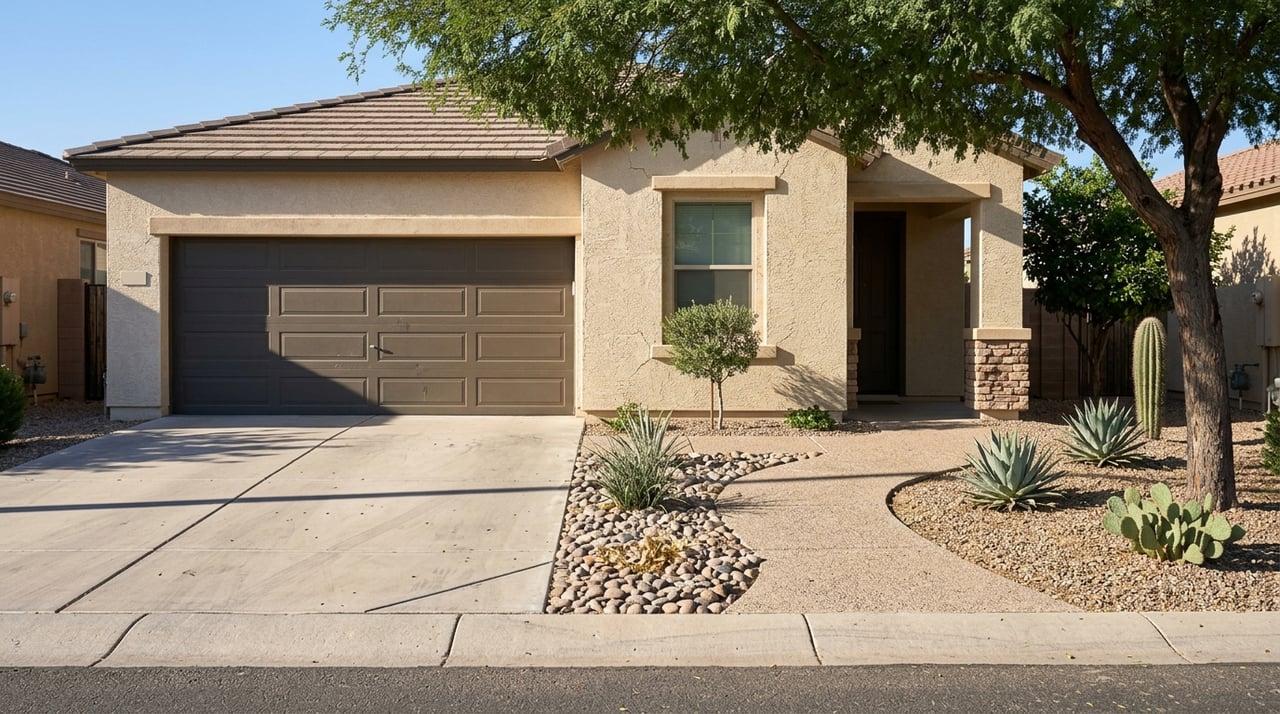
Townhome options commonly offer two- to three-bedroom layouts from roughly 1,200 to 2,100 square feet. Many include open-concept living areas, lofts, office space, patios, and two-car garages.
If you work from home, host guests, or want room to grow without buying a larger detached home, that flexibility can be a big plus. It also means you should compare floor plans carefully instead of assuming every condo or townhome will feel the same.
Why Ownership Type Matters
One of the biggest things to understand is that a condo is not just a style. In Arizona, a condominium is a legal form of ownership. The unit and its common-element interest are treated as a separate parcel of real estate and are separately taxed and assessed.
A planned community works differently. In that setup, the association owns and operates portions of the community and assesses members for shared costs.
This matters because the word townhome can describe how a property looks, but not necessarily how it is legally owned. A townhome may be a condominium, or it may be a fee-simple property in a planned community. The declaration, plat, and title documents determine that, not just the listing remarks.
Why This Difference Affects You
The ownership type can affect your dues, insurance responsibilities, maintenance obligations, and resale experience. Two properties may look similar from the street, but the rules behind them can be very different.
That is why one of the first questions you should ask is simple: Is this a condominium or a planned community? Getting that answer early can help you understand the rest of the buying decision much more clearly.
HOA Details You Should Review Closely
In Chandler attached-home communities, the HOA is often a major part of daily life and long-term cost. Arizona resale disclosures for both condominiums and planned communities require buyers to receive governing documents and financial information, including assessment details.
For condos, the resale packet also includes items such as the bylaws, declaration, contact information, assessment status, whether any portion of the unit is covered by association insurance, and the total reserves held by the association. Planned community disclosures similarly include core governing and assessment information.
Associations may charge up to an aggregate $400 for resale disclosure, lien estoppel, and related transfer services. Also, in smaller communities with fewer than 50 units, the seller may be responsible for preparing the packet rather than a management company, so do not assume the process always works the same way.
Questions to Ask About HOA Finances
Monthly dues are only part of the story. You should also ask whether there is a current special assessment, whether dues have increased recently, and whether the association is planning major work that could raise costs in the future.
Arizona law provides a common expense lien for unpaid assessments, so this is not a minor paperwork issue. The financial health of the HOA can affect both your monthly budget and your future resale position.
Reserve balance matters too. A community with amenities like pools, spas, clubhouses, or courts may offer a great lifestyle, but those features also need ongoing maintenance and long-term funding.
Insurance Coverage Is Not Automatic
Insurance is another area buyers should not gloss over. For condos, Arizona resale disclosures must state whether a portion of the unit is covered by association insurance.
That does not mean every part of your home or personal property is covered. You should confirm what the HOA insures and what you would need to insure yourself as the owner.
This step is especially important in attached housing, where walls, roofs, shared systems, and common areas may be handled differently depending on the community documents.
CC&Rs Can Shape Everyday Living
Before you buy, read the CC&Rs carefully. Arizona’s buyer guidance notes that restrictions may address things like landscaping, RV parking, play equipment, satellite antennas, and similar property-use issues.
In condo and townhome communities, you may also want to ask about rental caps, pet rules, parking limits, guest parking, and exterior modification rules. These items can have a real impact on how comfortably the home fits your lifestyle.
It is much easier to understand the rules before closing than to be surprised by them later. If a home checks every box but the community rules do not, it may not be the right fit.
What to Look for During a Tour
When you tour a Chandler condo or townhome, try to think beyond finishes and staging. A beautiful interior matters, but so do the features that support daily living and long-term resale.
Start with the layout. Current Chandler inventory includes both single-level and multi-level options, so if you want fewer stairs or easier aging in place, make sure the spaces you use most are where you need them.
If you work from home, look for practical flex space such as a loft, office, or den. Many current listings highlight those features, and they can make a big difference in how functional the home feels.
Parking and Outdoor Space Matter More Than You Think
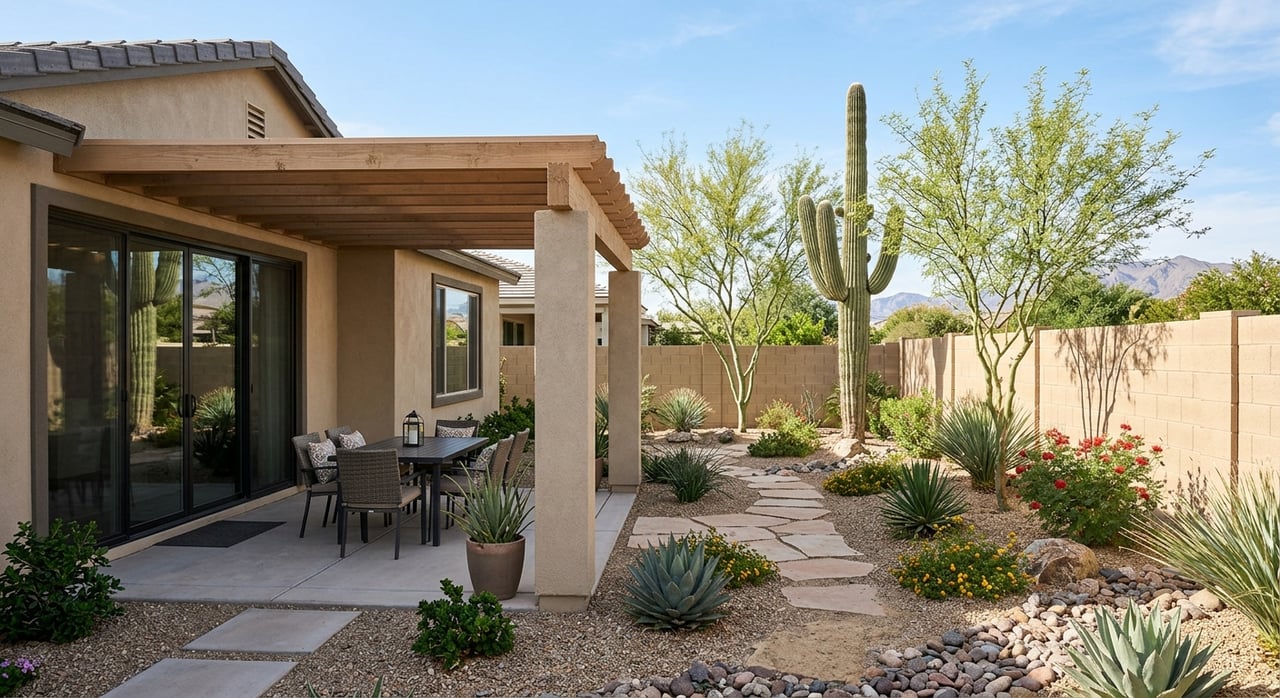
Attached homes often vary a lot in parking and outdoor space. In Chandler, current listings show options with assigned covered parking, two-car garages, private patios, balconies, and even private backyard areas.
Those features affect both livability and resale appeal. If you need secure parking, room for guests, or a place to enjoy the outdoors, be specific about what matters most to you.
In many cases, buyers are willing to pay more for an attached home that offers easier parking and more usable outdoor space. These details are not small extras. They are part of the value.
Community Amenities Should Be Part of the Decision
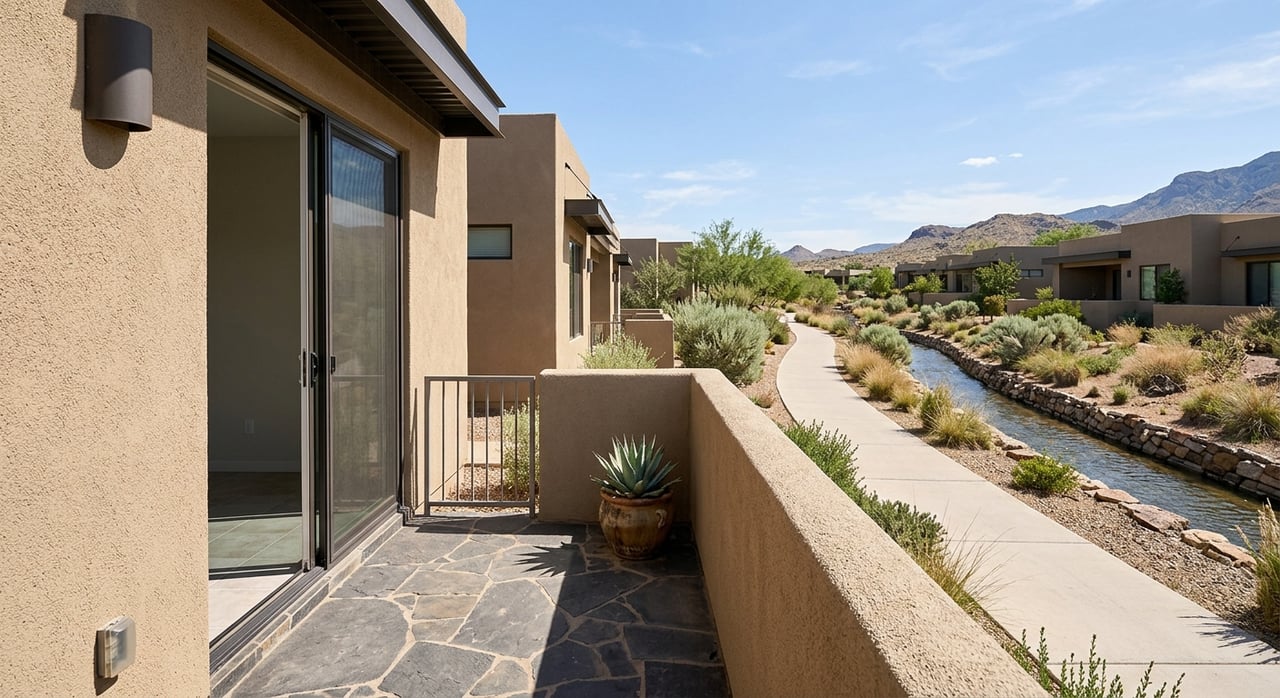
Many Chandler condos and townhomes advertise amenities such as community pools, heated spas, tennis or volleyball courts, clubhouses, and guest parking. These can add convenience and appeal, especially if you want a low-maintenance lifestyle.
At the same time, amenities should be evaluated for both quality and upkeep. A well-maintained community can support resale value, while neglected amenities may raise questions about management and funding.
When you tour, pay attention to the condition of shared spaces. The common areas tell you a lot about how the community is being maintained.
Check the Location and What Is Around It
Location still matters just as much in attached housing as it does in detached homes. In Chandler, attached homes compete across several price tiers, from entry-level condos to more premium lakefront or newer units.
You should also look beyond the property lines. Arizona buyer guidance recommends reviewing city or county zoning maps to understand what is allowed nearby and checking ADOT maps for future freeway routes or widening plans.
That is especially useful in Chandler, where infill and middle-housing growth may play a bigger role going forward. The city was 94.22% built out as of July 1, 2025, and its housing planning calls for more variety, including townhomes and courtyard-style housing.
Why Future Supply Matters in Chandler
As Chandler gets more built out, future attached-home inventory is likely to come more from infill and missing-middle formats than from large new detached subdivisions. The city also advanced a middle-housing overlay in targeted areas near the Central Business District and in some larger new developments.
For you as a buyer, that means location choices may become even more important over time. Established communities, proximity to major corridors, and the overall condition of the HOA can play a larger role when supply is shaped by redevelopment and infill.
This is one reason attached homes in well-kept communities can remain appealing to a wide range of buyers. A smart purchase today should also make sense when it is time to sell later.
New Construction Has Its Own Checklist
If you are considering a newly built condo or townhome in Chandler, there is an extra layer of due diligence. The Arizona Department of Real Estate says the Public Report must be provided before you sign the purchase contract.
That report includes important details such as flooding and drainage disclosure, adjacent land uses, utility providers, community facilities, taxes and assessments, and property owners association information. It is not just paperwork. It is a key part of understanding what you are buying.
New construction can be appealing, but you still want to review the documents carefully. New finishes do not replace due diligence.
What Usually Helps Resale Most
If resale is part of your decision, focus on the basics that tend to matter most in Chandler’s attached-home market. The biggest levers are usually location, HOA financial stability, parking, outdoor space, and how well the home fits today’s lifestyle needs.
Features like updated finishes, garage parking, practical work-from-home space, and well-maintained amenities can help a property appeal to a broader group of buyers. So can a layout that feels functional and easy to live in.
In short, the best condo or townhome is not always the one with the flashiest upgrades. It is the one that balances price, ownership structure, community health, and everyday usability.
If you are weighing condos or townhomes in Chandler, I can help you look past the surface details and focus on what really matters for your budget, lifestyle, and long-term goals. When you are ready to talk through neighborhoods, community rules, or the next steps, connect with Robyn Combs.
FAQs
What should you ask before buying a condo in Chandler?
- Ask whether it is legally a condominium, what the HOA dues include, whether there are special assessments, what the reserve balance is, and what portion of the unit is covered by association insurance.
What should you ask before buying a townhome in Chandler?
- Ask whether the townhome is a condominium or part of a planned community, review the CC&Rs, confirm parking and guest parking rules, and check for any planned HOA projects or assessment increases.
Are Chandler condos and townhomes usually less expensive than detached homes?
- Current market snapshots show condo and townhouse median listing prices in Chandler around $359,000 to $374,000, which is below the citywide median sale price across all home types of about $519,689.
Why do HOA documents matter when buying an attached home in Chandler?
- HOA documents help you understand dues, restrictions, financial health, insurance coverage, and whether the community may face future costs that could affect your budget or resale.
What features matter most for Chandler condo and townhome resale?
- Location, HOA stability, parking, outdoor space, practical layout, and well-maintained community amenities are often the most important factors for long-term appeal.